Educational information: This article does not diagnose a condition or replace individualized medical care. Seek urgent or emergency care for concerning symptoms.
Preconception care starts before a positive test
A preconception visit is not a promise that every risk can be removed or that pregnancy will happen on a particular timeline. It is an opportunity to identify questions that are easier—and sometimes safer—to address before pregnancy begins.
That review should be individualized. A person with regular cycles and no significant medical history may need a different starting point than someone with irregular bleeding, thyroid disease, diabetes, prior pregnancy complications, recurrent loss, endometriosis, medication exposure, or a family history of genetic disease.
Medication and supplement review matters
Prescription medicines, over-the-counter products, herbs, vitamins, weight-loss treatments, acne medications, and recreational substances all belong in the conversation. Some should be continued because uncontrolled illness presents its own pregnancy risk; others may need adjustment before conception.
Do not stop an essential medication abruptly because an internet list labels it unsafe. The useful question is how the medication, the underlying condition, the available alternatives, and the timing of pregnancy fit together.
- Bring a complete medication and supplement list
- Discuss weight-loss medications and an appropriate discontinuation plan
- Review acne, seizure, blood-pressure, mood, thyroid, and other ongoing treatments
- Ask what should change now, after a positive test, or not at all
Nutrition is broader than taking a prenatal
Folic acid before and during early pregnancy helps prevent neural tube defects. The appropriate amount can vary with medical and pregnancy history, so higher doses should be clinician-directed rather than assumed.
Preconception nutrition also includes adequate energy and protein, dietary variety, iron and B12 risk, alcohol and tobacco exposure, food access, eating patterns, and conditions that affect absorption. A supplement cannot fully compensate for an untreated medical condition or a highly restrictive diet.
- Begin a prenatal or folic-acid plan before conception
- Review iron, B12, vitamin D, or other testing when history suggests a reason
- Avoid megadoses and overlapping supplements
- Discuss dietary restrictions, food insecurity, bariatric surgery, or gastrointestinal disease
Your health history shapes pregnancy planning
Blood pressure, diabetes, thyroid disease, kidney or heart conditions, autoimmune disease, mental health, migraines, sleep apnea, prior pregnancy complications, and infectious or genetic risks may change the plan.
Preconception care can also review immunizations and routine screening. Some vaccines are best given before pregnancy, while others are recommended during pregnancy. Timing should follow current guidance and the individual record.
- Past pregnancies, losses, ectopic pregnancy, preterm birth, hypertension, or gestational diabetes
- Cycle pattern, pelvic pain, abnormal bleeding, or known endometriosis
- Personal and family genetic history
- Cervical screening, immunization, and infection history
- Occupational, environmental, tobacco, alcohol, and substance exposures
Preparation should lead to a real next step
Not every person needs an exhaustive laboratory panel, and normal bloodwork cannot guarantee fertility or a healthy pregnancy. Testing is most useful when it answers a defined clinical question and can change what happens next.
A good preconception plan should leave you knowing what is reassuring, what needs attention now, what can wait, and when reproductive-endocrinology, maternal-fetal-medicine, genetic counseling, imaging, or another specialty referral is appropriate.
Common questions
PMOS/PCOS questions patients ask
When should I schedule a preconception visit?
Ideally, preconception care begins before pregnancy so there is time to review medications, health conditions, cycles, immunizations, nutrition and any testing or referrals that could affect the plan.
What happens at a preconception appointment?
The visit may include a review of reproductive goals, menstrual history, prior pregnancies, medical conditions, medications, supplements, family history, lifestyle and preventive care. Testing should be selected according to the individual history.
Do I need fertility testing before trying to conceive?
Not everyone needs fertility testing before trying. Targeted testing may be useful when cycles are irregular, health history raises a specific question, age or prior reproductive history changes the timeline, or results would affect the next decision.
Should I stop medications before trying to get pregnant?
Do not abruptly stop an essential medication based on an internet list. A clinician should weigh the medicine, the condition being treated, possible alternatives and pregnancy timing.
Where can I receive preconception care near Navarre or Gulf Breeze?
SANE.Medical in Navarre offers preconception and fertility-foundation care through Conceive With Clarity™, including a focused history, selected labs, a comprehensive review and a personalized roadmap.
A clearer place to begin
Prepare for pregnancy with more than a checklist.
Conceive With Clarity™ brings your cycles, medical history, medications, fertility-focused labs, and whole-body health into one thoughtful starting point.
Explore Conceive With Clarity™ · $697 →Clinical sources
These sources support the general education above. Individual recommendations depend on your history and current guidance.
ACOG: Good Health Before Pregnancy—Prepregnancy Care ↗CDC: About Folic Acid ↗ASRM: Fertility Evaluation of Infertile Women ↗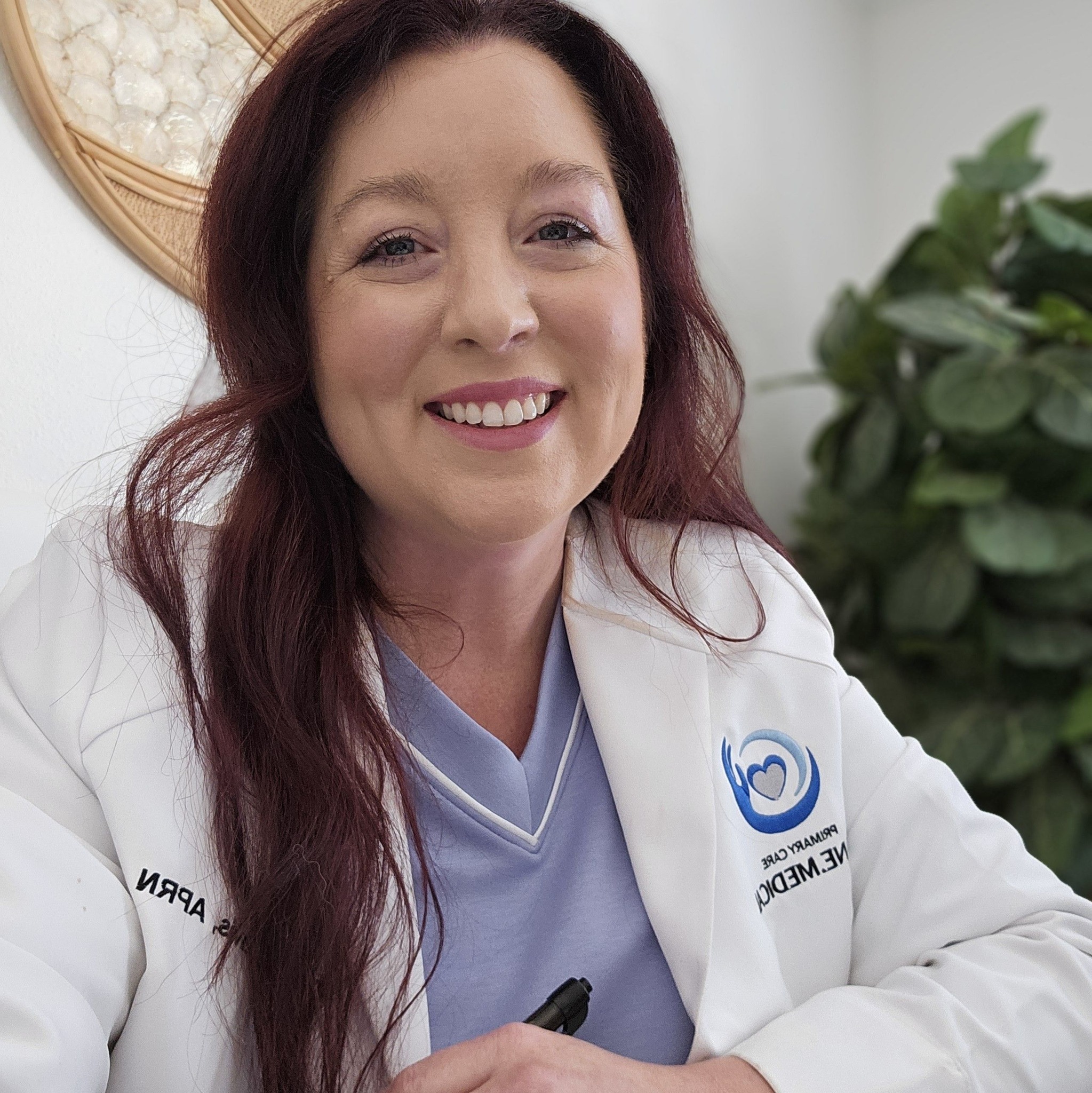
About the author
Dr. Amanda Davis, DNP, FNP-C
Board-certified family nurse practitioner and founder of SANE.Medical, bringing emergency, trauma, forensic, and whole-body clinical perspective into clear, safety-rooted care.
Meet Dr. Davis →