Educational information: This article does not diagnose a condition or replace individualized medical care. Seek urgent or emergency care for concerning symptoms.
Some chemicals can interact with hormone systems
The National Institute of Environmental Health Sciences describes endocrine-disrupting chemicals as substances that may mimic, block, or interfere with hormones. Research links certain exposures with reproductive, developmental, metabolic, and other health concerns, but the strength of evidence differs by chemical, dose, timing, and outcome.
A possible association does not mean one household product explains an individual’s symptoms or laboratory result.
Avoid fear-based detox advice
You cannot eliminate every environmental exposure, and extreme restriction or expensive “detox” protocols may create new risks without improving health. Practical changes should focus on established safety guidance and actions that are realistic.
- Follow workplace protections and product instructions
- Avoid smoking and secondhand smoke
- Use ventilation and safe handling with solvents or pesticides
- Reduce unnecessary heating of food in damaged plastic
- Choose evidence-based testing only when exposure history supports it
Exposure history belongs in medical context
Occupation, military service, hobbies, home environment, water source, pregnancy, symptoms, and timing can help determine whether a specific exposure deserves investigation. Many symptoms attributed to toxins also overlap with common medical conditions.
The goal is not to dismiss environmental health. It is to address it without replacing careful diagnosis with certainty the evidence cannot support.
Clinical sources
These sources support the general education above. Individual recommendations depend on your history and current guidance.
NIEHS: Endocrine Disruptors ↗NIEHS: Reproductive Health and Environmental Exposures ↗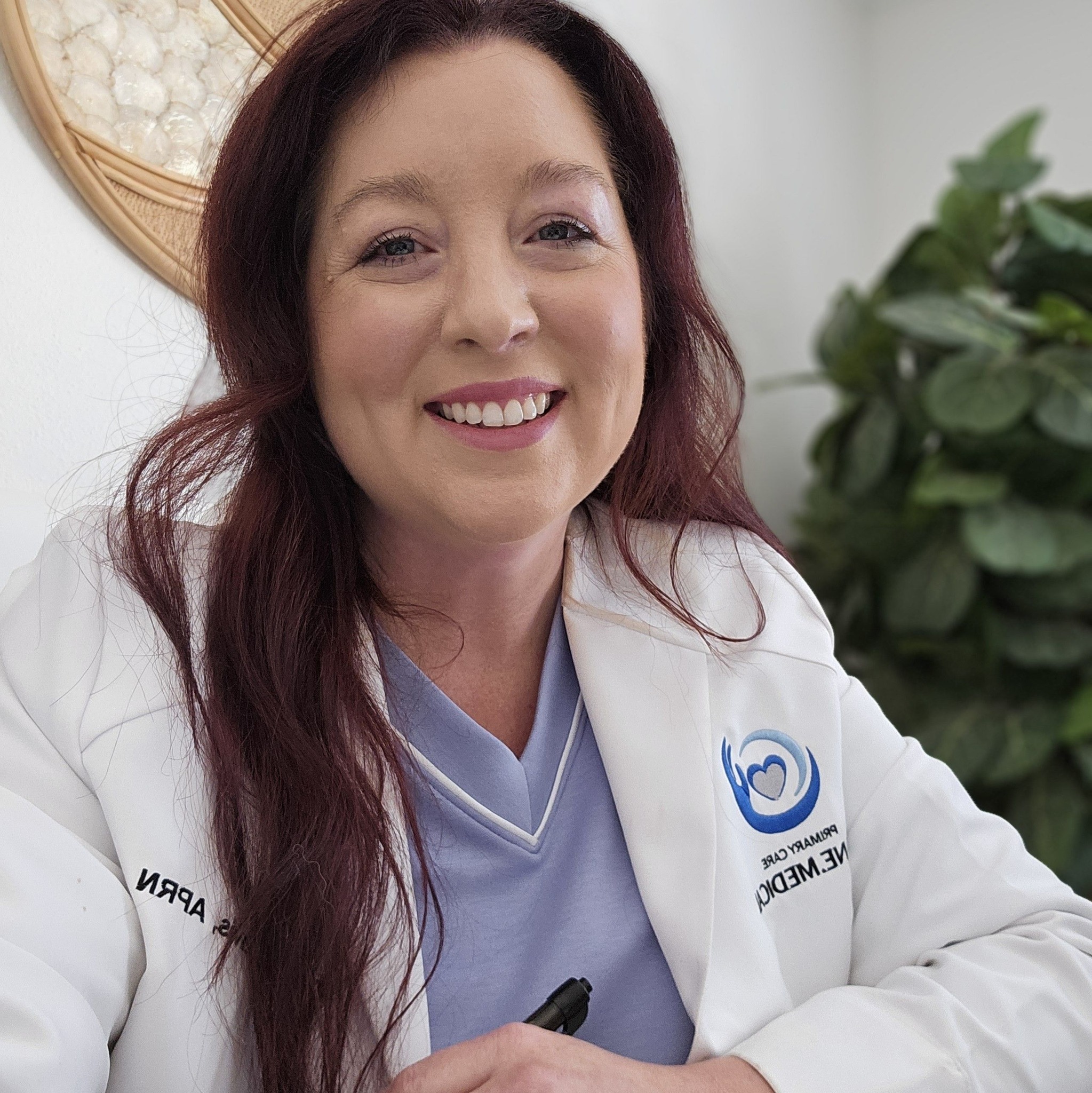
About the author
Dr. Amanda Davis, DNP, FNP-C
Board-certified family nurse practitioner and founder of SANE.Medical, bringing emergency, trauma, forensic, and whole-body clinical perspective into clear, safety-rooted care.
Meet Dr. Davis →