Fertility
Women
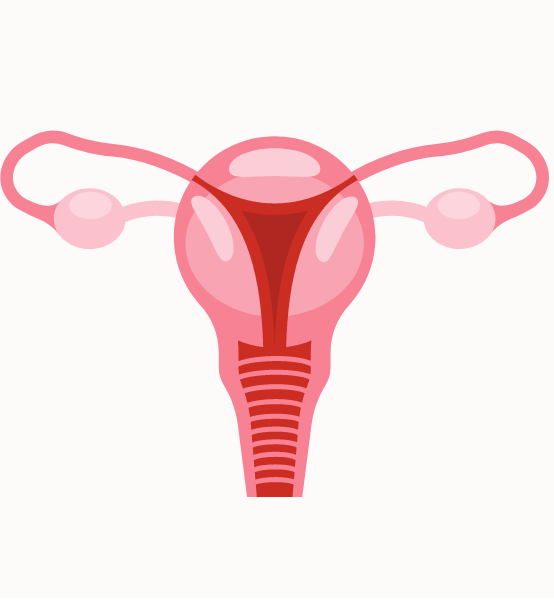
Ovarian Function: Women are born with a finite number of eggs, which decrease in number and quality with age. Ovulation, the release of an egg from the ovary, is crucial for fertility. Hormonal imbalances can disrupt ovulation, leading to infertility.
Fallopian Tubes and Uterus Health: The fallopian tubes must be open to allow the passage of the egg and sperm. Blockages or damage to the fallopian tubes can prevent fertilization. Similarly, a healthy uterine environment is essential for the implantation and growth of an embryo.
Hormonal Balance: Hormones such as estrogen and progesterone regulate the menstrual cycle and prepare the uterus for pregnancy. Imbalances in these hormones can affect fertility.
Age and Lifestyle: Female fertility declines significantly with age, particularly after the mid-30s. Lifestyle factors like diet, exercise, smoking, alcohol consumption, and stress also play a role. Medical conditions such as polycystic ovary syndrome (PCOS), endometriosis, and obesity can impact fertility.
Genetics and Health Conditions: Genetic conditions and chronic health issues, such as thyroid disorders and autoimmune diseases, can affect a woman’s fertility.
Men
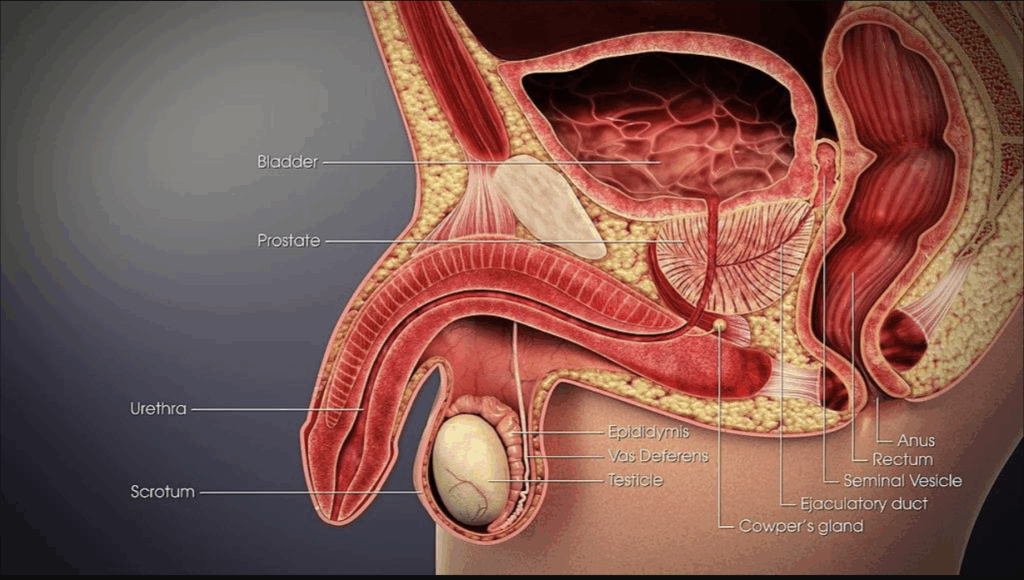
Fertility in men primarily depends on the production, quality, and delivery of sperm. Key factors influencing male fertility include:
Sperm Production: Sperm is produced in the testes. Hormones such as testosterone play a critical role in stimulating sperm production. Disorders in hormone levels can impact sperm production.
Sperm Quality: The health and function of sperm are crucial. This includes sperm count (the number of sperm present in semen), motility (the ability of sperm to move efficiently), and morphology (the shape and structure of sperm). Abnormalities in any of these aspects can impair fertility.
Lifestyle and Health: Factors such as diet, exercise, smoking, alcohol consumption, stress, and exposure to environmental toxins can influence sperm quality. Conditions like obesity, diabetes, and infections can also affect male fertility.
Genetics and Age: Genetic conditions can affect sperm production and function. Age also plays a role, as sperm quality tends to decline with advancing age.